Mark Donlon

Can Smoothies boost Your Immune health?
Can smoothies boost immune health
Can smoothies boost immune health?


Can smoothies boost Immune Health?


With all the chaos and uncertainty in the world today, it’s never been more important to maintain good health and a robust immune system. Staying healthy is essential for keeping your body strong and fighting infection and disease.

Along with regular physical activity and mental health practices. Our diet is one of the most important aspects of keeping yourself healthy. Smoothies can boost immune health as well as aid digestion, keep us looking younger and much more.

The food we eat is an essential part of maintaining the body’s systems; these systems, including the immune system, digestive system, lymphatic system, brain, muscles, and even your skin and hair.

Luckily, there are foods you can eat that will help promote long-term health across your lifespan.

Importance of Health


Staying healthy is vital to keep your body functioning as it should. Good health provides a positive effect on every aspect of your life, including:

  • Improves mental health
  • Reduces stress
  • Betters sleep quality
  • Lowers risk of lifestyle-related disease
  • Aids longevity
  • Delays and minimizes age-related health problems

On the opposite end, not maintaining your health can lead to a weakening of the body. Poor health can allow diseases to develop and illness to arise when the body’s immune response is depleted.

What You Eat can Improve Your Health. 


In addition to regular physical activity, what you eat is essential for maintaining and improving your health.

Nutrients – macronutrients, micronutrients, and other beneficial food compounds – are what helps you achieve good health. It also boosts vital body systems like the immune, brain, and digestive systems.

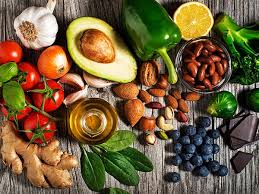
Key food groups, it would be best if you prioritized into meals and snacks are:

  • Fruits

    Can smoothies boost immune health
    Can smoothies boost immune health?
  • Vegetables
  • Proteins
  • Healthy Fats
  • Complex Carbohydrates

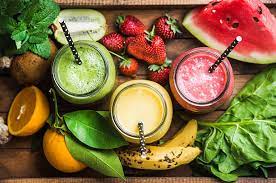
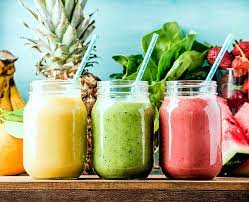
A great way to pack all of these food categories for the most benefit is a smoothie.

How Smoothies Can Improve Your Health 

Smoothies are a great way to power-pack your meals with beneficial nutrients; this can improve your overall health and supercharge your immune system.

It is also important to remember that to improve your health is based on the ingredients you put in it. Depending on the result you want, you need to pick your ingredients strategically.

There are several benefits you can look for when building your smoothie. Here are some outcomes and the ingredients to add to your smoothie that can help you achieve them:

Fortify the Immune System

 We know smoothies can boost immune health, but what exactly is immune health? The immune system is involved in defending your body against disease and illness caused by invading pathogens.

This system is exceptionally intricate, involving several body systems to function correctly, including the lymph, cardiovascular, digestive, and even tissue systems.

To create a smoothie that prioritizes fortifying your immune system, choose ingredients high in vitamin C and beneficial phytochemicals. Like:

  • Citrus fruits (like oranges and grapefruit)
  • Honey
  • Ayurvedic spices (like ginger, turmeric, and cinnamon)

Can smoothies boost immune health

Support the Digestive System


What you eat has a lot to do with how your digestive system functions. Specifically, how the microbiome functions.

The gut microbiome is an ecosystem of trillions of beneficial microorganisms that live inside the intestines. They play an essential part in digestion but also aid in immune and brain health.

Ingredients to add to your smoothie to support your digestive system and microbiome should contain probiotics and fibre, including:

  • Yoghurt (dairy or non-dairy)
  • Kefir
  • Berries (like kiwi or raspberries)
  • Flaxseed

Boost Brain Health


The brain is the control centre of your entire body and controls all other systems and how they function.

Eating to boost brain health can also promote better mental health, mood, and memory. Because fat makes up most of the brain, consuming plenty of healthy fats in your smoothie is essential.

Ingredients to add to your smoothie that contains ample omega 3, 6, and 9 fatty acids are:

  • Avocadoes
  • Chia seed
  • Dark chocolate
  • Supplements

Promote Healthy Skin

Healthy skin not only looks pretty, but it keeps your body protected from illness as well.

Your skin is an essential immune system organ as the “first line of defence.” Without healthy skin, you are unable to block illness-causing pathogens from entering the body.

Ingredients for healthy skin and hair should contain healthy fatty acids, antioxidants, and zinc, including:

  • Green tea
  • Seeds (like sunflower or pumpkin seeds)
  • Sweet potatoes
  • SuperGreen Blend

Stimulate Muscle Development

When you are looking to gain lean muscle, your smoothie should prioritize complete proteins for muscle-building. Having strong muscles is connected to increased stamina, improved blood sugar levels, and reduced joint pain with age.

You may also want to focus on including complex carbohydrates and healthy fats for sustained energy during workouts.

High-protein ingredients you can add to your smoothie for muscle development are:

  • Soy
  • Nut butter (like almond or cashew)
  • Protein powder

Encourage Weight Management 

If you are looking to maintain or lose weight, a smoothie low in calories and high in nutrients should be a priority for you.

Maintaining a healthy weight can provide many benefits to your overall health and lower your risk of developing lifelong diseases. It can also improve your mood and confidence.

Low-calorie, high-nutrient ingredients to add to your smoothie include:

  • Leafy greens (like spinach and kale)
  • Beets
  • Apple cider vinegar

Ingredients to Avoid in Your Smoothie 

While various ingredients can benefit your smoothie, some components can give the opposite effect. Think of a smoothie as a chance to overload your body with as many vitamins and minerals as you can cram into one portion. Loading your smoothie with high sugar/ honey syrup or ice cream will cancel out most of the health benefits of all the goodness you’ve packed in.

Foods to avoid typically contain high amounts of unhealthy fats and added sugars, and sodium. These ingredients can wreak havoc on your health, leading to weight gain and the possible development of diseases.

When building your smoothie, remember to avoid these common ingredients:

  • Refined sugar (table sugar)
  • Fruit juice
  • Canned fruit in syrup
  • Flavoured yoghurt
  • Ice cream or sorbet

11 Ingredients that can Boost Your Healthy Smoothie 

The best ingredients to include in your daily smoothie will contain full amounts of immune-boosting nutrients, including macronutrients, vitamins, minerals, antioxidants, and beneficial plant compounds.

Papaya

Papaya is a delicious tropical fruit loaded with vitamin C, which is also an antioxidant.

As an antioxidant, vitamin C supports the immune system by fending away harmful free radicals in the body. These toxic particles can cause damage to all of your body systems.

Additionally, this fruit contains ample potassium, magnesium, and folate.

When adding to your smoothies, papaya can be added fresh or in frozen pieces.

Kiwi

The tropical berry kiwi is a tiny but mighty fruit full of beneficial micronutrients. These include folate, potassium, vitamin K, and vitamin C.

Kiwi also contains plenty of fibre, which is found in the seeds and completely edible peel. Fibre is excellent for keeping you fuller, longer.

Spinach

Spinach has been a popular addition to healthy smoothies lately, and for a good reason.

This dark leafy great not only blends incredibly well with any fruit flavour but also contains a variety of nutrients, including vitamins C and A.

And luckily, consuming raw spinach in a smoothie is one of the best ways to reap all the benefits it has to offer.

Almond Butter

Not only does almond butter add a rich creaminess to your smoothie, but it also provides vitamin and healthy fats with immune-boosting properties.

Combining the antioxidant vitamin E and omega fatty acids reduces inflammation in the body, allowing the immune system to function more efficiently.

Make sure to look for almond butter options with minimal added sugars and sodium for your smoothie.

Yoghurt

Yoghurt is a probiotic containing live and active cultures of beneficial bacteria that live in your gut.

These bacteria play roles in many body functions, including the immune system. From stimulating immune reactions to invading pathogens to assisting in immune cell construction, gut bacteria are involved.

If you cannot consume dairy, consider alternatives made of coconut, soy, or oat milk.

Chia Seed

Chia is one of the healthiest foods on the planet. It contains few calories with high amounts of fibre, protein, omega-3 fats, and ample calcium, magnesium, and phosphorus.

It is both filling and immune-boosting, providing antioxidant effects and aids in keeping the beneficial gut bacteria healthy.

Add sprouted chia to your morning smoothie. This form is more comfortable for your body to digest, help you reap all the benefits chia offers.

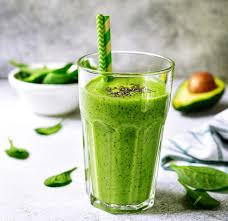
Avocado

Avocado is a literal goldmine for healthy fats and the exact ingredient you are missing in your smoothie.

This unique fruit not only contains 15 grams of omega-9 fatty acids per serving, which is known to reduce inflammation but a plethora of other immune-supporting nutrients, including fibre, potassium, iron, zinc, vitamins K, C, E, and several B vitamins.

Beets

Beets blend surprisingly well into a fruity smoothie and provide a gorgeous colour form with its signature red juices.

This red colour is also the source of the beneficial phytonutrient anthocyanin. This phytonutrient is a bioactive plant compound that acts as an antioxidant, stimulates immune enzymes, and aids immune cell production.

Honey

Honey has been used as a natural remedy for illness and immune support for thousands of years. Containing lots of natural sugars and organic acids and flavonoids, natural phenolic compounds, honey is a powerful antioxidant. It also improves wound healing and has a connection to easing allergy symptoms.

Be careful when adding honey to your smoothie for a subtle sweetness that provides immune benefits; you don’t want to overlap the sugar content.

Ginger

Ginger is an excellent spice for illness recovery and prevention.

This root contains the unique and potent compound called gingerol, which provides its anti-inflammatory effects. Gingerol can both ease the pain of a sore throat as well as increase immune system function.

You can add ginger to your smoothie in any form you wish – fresh, powder, extract, Supplement – they all provide the same benefit!

Turmeric 

Turmeric is a spice that will provide your smoothie with a gorgeous yellow-orange colour while providing the healthy boost you’re looking for.

The main active compound in turmeric, known as curcumin, is one of the most recognized natural immune boosters. It provides potent antioxidant and body-repair properties after stress and injury.

Cinnamon

Another ancient remedy, cinnamon, can add a spicy “kick” to your smoothie while amplifying the benefits to your health.

This spice is ground from the dried bark of the Cinnamomum tree is high in the compound cinnamaldehyde. When used in the form of an oil, cinnamaldehyde is known to provide antibacterial and antifungal properties, assisting the body in fighting pathogenic infections.

Although there are many varieties of cinnamon available to choose from, try to find Ceylon cinnamon. Also known as “true cinnamon,” Ceylon is more effective at providing benefits to your body.


Max out the nutrition with supplements


Packing your smoothies with nutrient-dense fruits, vegetables, seeds, and other foods is a no brainer, but if you want to take things to the next level, try adding supplements like SupperGreenBlend. Adding supplements, you can tailor what you what the health benefits if you are trying to boost digestive health and, in turn, immune health, try digestive enzymes or a couple of Omega fish oil capsules.

Almost every smoothie I make contains at least one scoop of Super Green Blend as this Blend is loaded with nutrient-dense leafy green superfoods; I also like to drop a couple of digestive enzymes to help my gut. Science shows that up to 80/90% of Immune health directly links to gut health; it just makes sense to top up the benefits whenever you can. Probiotics are another great addition to the lineup of additional superfoods and supplements.

Boost Your Health with a Powerful Smoothie 

What we put into our bodies makes a difference. Like a high-performance sports car, you want to look after your engine by fueling it with the best fuel possible. The same is true for our bodies; optimum nutrition produces better health benefits from feeling and looking at mental clarity and performance.

Packing all the macronutrients micronutrients we need can be difficult with our modern western diet, so it’s essential to ensure we meet the requirements by adding a smoothie or two into our daily routine.

A healthy lifestyle with regular exercise, wellbeing practices, adequate sleep and good nutrition is the best way to go in this modern world full of disease and health challenges.

If you want to dive a little deeper into making great smoothies, check out the ClearPureHealth Smoothie ebook, packed with tips, recipes and advice on the best Blenders to use.

Can Smoothies boost Your Immune health? Read More »

How Sleep Affects Health

How Sleep Affects Health

How Sleep Affects Health


Sleep is one of the most underrated and forgotten aspects of our health. How sleep affects health is an ever-evolving story. Science and research in sleep have shown us that sleep connects nutrition, exercise, immune response, mindfulness and cognitive ability, to name a few.

Like regular exercise and a healthy diet, getting enough good quality sleep is essential for looking after our health. A poor nights sleep can have adverse health consequences and makes for a challenging day come morning time. Whereas when we have a restful nights sleep, we feel unstoppable and ready to take the day head-on with bags of energy and a positive mindset. 

How Sleep Benefits Health


Research has shown how sleep affects health; let’s take a look at some of the health benefits of sleep and why it’s important to make sleep a priority.

  • Improve your attention and concentration

We’ve all been there; you have a terrible nights sleep and wake up feeling drained first thing; how will you make it through the day? You find it difficult to concentrate or focus on work, will power is low bad food choices follow as you try to boost your energy to make it through the day.

Not getting enough good quality sleep could impair your attention span, concentration, strategic thinking, risk assessment and reaction times.

  • Learn and make memories

We know that your body repairs muscle tissue when we sleep but did you know it does the same for the mind? As you sleep, your brain begins to organise and process all the information you’ve taken on during the day. It converts your short-term memories into long-term memories. This time for the brain to reorganise helps you learn and means that you can often see things more clearly when you wake up.

  • Maintain a Healthy Weight

Getting enough sleep plays a massive role in weight loss. Studies reveal that individuals who are exhausted and sleep less are more likely to be obese or overweight. One reason could be that sleep deprivation directly affects the ghrelin and leptin hormone levels, closely associated with hunger feelings.

The ghrelin hormones increase, triggering your appetite, while the levels of leptin hormone responsible for alerting your body you’re satisfied reduces making you unnecessarily eat more.

Also, lack of enough sleep (whether caused by untreated sleep apnea, insomnia, self-induced, or any other sleep disorders) often results in metabolic dysregulation.

In general, the extra time spent awake may increase the chances of eating more, whereas sleeping less might disrupt your circadian rhythms, resulting in weight gain.

Besides, when you feel tired, you’ll probably not want to be active or move around. Altogether, it’s a contributing factor to the extra pounds. The time to spend sleeping goes hand-in-hand with the time spent at the gym and table to help you manage your weight. Read More about Weight loss Hormones Here

  • Healthy Heart

Regular poor quality Sleep has been shown to increased your risk of Diabetes, High Blood Pressure and even Coronary Heart Disease. Long-standing sleep deprivation seems to be associated with increased heart rate, increased blood pressure and higher levels of certain chemicals linked with inflammation, which may put extra strain on your heart.

  • Learn and make memories

We know that your body repairs muscle tissue when we sleep but did you know it does the same for the mind? As you sleep, your brain begins to organise and process all the information you’ve taken on during the day. It converts your short-term memories into long-term memories. This rest helps you learn and means that you can often see things more clearly when you wake up.

  • Strong Immune System

Sleeping gives your body the time and resources to repair the body; this includes the time to clear the body of toxins and, by doing so, replenishes the immune system and your lymphatic system. This time asleep gives your body time to remove toxins and gets you ready for following the day’s workload. Read more about the Lymphatic System here. 

  • Improves Mental Health

Adequate sleep and your mental health also go hand-in-hand. While you are asleep, your brain processes your emotions. Therefore, your mind requires this time to recognise and react appropriately.

Sleep deprivation may affect your brain activity. In turn, this may dampen your thinking and mood. According to studies, individuals who have insomnia are at greater risk of suffering mental health conditions such as anxiety or depression.

Anxiety and depression may also trigger sleep issues, including experiencing trouble falling or staying asleep. At the time, you may also find yourself sleeping for longer than expected, which may affect your life quality. If you continue skimping on your sleep, you tend to experience lesser positive emotional reactions and more negative ones. In simpler terms, enough sleep = better mental health.

That said, it’s evident that sleep has numerous benefits to your health. While there will always be the flows and ebbs in your sleeping patterns, we hope this article convinces you enough to aim for the best sleep routine and certainly 8-9 hours (adults) of rest per day so that your body and mind can enjoy the full benefits.

If you experience difficulties in enhancing your sleep quality, you can talk to a health practitioner. They might recommend therapies, medications, or lifestyle adjustments to help enjoy a good night’s sleep.

Not All Sleep is Equal 


As mentioned earlier, not all sleep is the same; from time to time, you can get away with a quick afternoon safety snooze to power you through the rest of the day but during the night is when your quality of sleep matters.

New research shows how the depth of sleep, particularly at night, can impact our brain’s ability to wash away waste and toxic proteins efficiently. Because sleep often becomes increasingly lighter and more disrupted as we become older, the study reinforces and potentially explains the links between ageing, sleep deprivation, and heightened risk for Alzheimer’s disease.

Sleep is critical to the function of the brain’s waste removal system, and this study shows that the deeper the sleep, the better.

The Sleep Cycle


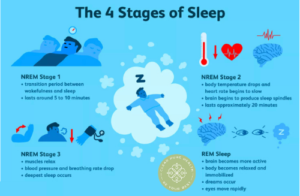
As we drift off to sleep at night, we enter into the sleep cycle. The Sleep cycle has four stages of sleep; each has its place to replenish and repair our mind and body for the coming day.

Typically, an individual gets through four sleep cycles, and though not all sleep cycles are of the same length, they averagely last for up to 90 minutes each. The four sleep cycles comprise rapid eye movement (REM) and three for non-REM (NREM) sleep. NREM comprises three varying stages. The longer the stage, the harder it is for one to wake up from their slumber.


4 Stages of Sleep
                         4 Stages of Sleep

Stage 1: N1

Typically, N1 is the dozing off’ stage that generally lasts for only one-to-five minutes. During this stage, the body isn’t entirely relaxed, although the brain and body activities begin slowing with periods of slight movements (twitches).

It’s relatively easy to wake someone during this sleep stage, but if left undisturbed, they can move swiftly to stage 2. As the night unfolds with minimal interruptions, the individual might move quickly from one stage to another.

Stage 2: N2

During this stage, the body joins a more relaxed state, comprising a fall in temperature, slowed breathing & heart rate, and subdued muscles, while the brainwave activity reveals a new pattern and the eye movement halts. Generally, the slowed brain activity is associated with brief bursts of activity, which help avoid being awoken by external stimuli.

This stage may last for 10-25 minutes during the initial sleep cycle, and every N2 stage might lengthen throughout the night. As a whole, one spends about half of their night’s sleep on stage N2.

Stage 3: N3

Also referred to as deep sleep, it’s very difficult to wake an individual in stage 3. Breathing, muscle tone, and pulse rate significantly reduce in stage N3 as the body relaxes further. The brainwave activity shows a recognisable pattern known as the delta waves; hence, this phase may also be referred to as short-wave or delta sleep.

According to sleep professionals, this stage is quite vital for restoration, as it allows the body to recover and grow fully. This sleep stage is when the body re-organises the mind, replenishes muscle cells, and enhances its immunity and other crucial body processes. Despite the reduced brain activity, evidence reveals that deep sleep attributes creativity, memory, and insightful thinking.

In the first half of the night, most of the time is spent on deep sleep and often lasts for twenty to forty minutes. This is the time the body spends rebuilding and composing itself for the coming day. As the night unfolds, this phase gets shorter, and more time is spent on REM sleep instead.

REM Sleep Patterns

In this stage, the brain activity resumes, close to the levels witnessed when you’re fully awake. Concurrently. The body experiences Antonia (temporary paralysis of the muscles) with the exceptions of the eyes and muscles responsible for breathing. Although your eyes are closed, another person can see them moving rapidly- hence, the name “Rapid Eye Movement” stage.

The REM stage is vital for cognitive functions, such as memory, creativity, and learning. Also, it’s known to bear the most vivid dreams, which is often explained by the resurge of brain activity. Though dreams can happen in any sleep stage, they’re less intense and common in the NREM stages.

In most circumstances, you cannot enter the REM sleep stage until you have been asleep for up to 90 minutes. As the night unfolds, the REM stage prolongs, particularly in the second half of the night. Although the initial REM stage might last for just several minutes, the later phases may go for about an hour, totalling up to about 25% of sleep for adults.

What Is The Significance Of Sleep Stages?

Sleep stages are vital because they let the body and brain recover and develop. Lack of sufficient NREM and REM sleep might result in some severe consequences of deprived sleep on emotions, physical health, and thinking.

Sleepers, who regularly awaken during the early sleep stages, for instance, individuals suffering from sleep apnea, might struggle properly cycling into the deeper sleep stages. Even so, persons experiencing insomnia might fail to get adequate sleep to accumulate the required time for every stage.

What Is Sleep Quality?


Sleep quality differs from sleep quantity. Sleep quantity calculates how much sleep you receive every night, whereas sleep quality measures how well or restful your sleep is. Measuring sleep quantity is straightforward, as it is quick to establish if you are receiving the recommended amount of sleep every night.

On the other hand, measuring sleep quality is more of an art compared to a science. Generally, good sleep quality can be explained by the following characteristics:

  • Falling asleep immediately after getting into bad, in 20 minutes or less.
  •  Generally sleep well, only waking up once, at most, during the entire night.
  •  You fall back asleep in less than 20 minutes in case you wake up.
  •  Always sleep for the recommended number of hours.
  •  You feel restored, energised, and rested after waking up in the morning.

On the flip side, poor quality sleep is the type that leaves you counting sheep or staring at the ceiling. Poor sleep might be characterised by experiencing trouble falling or staying asleep, early awakenings, and restlessness.

To enjoy better quality sleep, you can develop a sleep routine, reduce caffeine intake, avoid blue light exposure (especially in the evening), and many more.

Even though the recommended amount of sleep varies slightly among individuals, most healthy adults need about 7 to 9 hours every 24 hours. The sleep requirements for teenagers and children are often higher: teens require 8-10 hours per day, whereas children need up to 10-14 hours per day, whereas infants need around 17 hours of sleep daily.

Sleep Routine


Sleep Routine
                              Sleep Routine

Anyone with babies or young kids knows the importance of getting into a good sleep routine. We now know how sleep affects health, and a good sleep routine can maximise the health benefits each night.

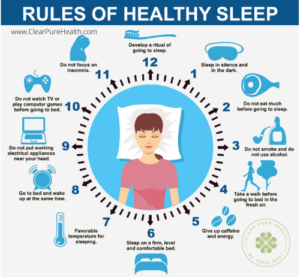
Follow these tips to establish healthy sleep habits:

  • Keep a consistent sleep schedule. Get up at the same time every day, even on weekends or during vacations.
  • Set a bedtime that is early enough for you to get at least 7 hours of sleep.
  • Don’t go to bed unless you are sleepy.
  • If you don’t fall asleep after 20 minutes, get out of bed. (almost impossible for me anyway)
  • Establish a relaxing bedtime routine, brush teeth, read a book, devices away from the bed.
  • Use your bed only for sleep and sex.
  • Make your bedroom quiet and relaxing. Keep the room at a comfortable, cool temperature.
  • Limit exposure to bright light in the evenings.
  • Turn off electronic devices at least 30 minutes before bedtime, including TV and Phones.
  • Don’t eat a large meal before bedtime. If you are hungry at night, eat a light, healthy snack.
  • Exercise regularly and maintain a healthy diet.
  • Avoid consuming caffeine in the late afternoon or evening.
  • Avoid consuming alcohol before bedtime.
  • Reduce your fluid intake before bedtime.

This list is by no mean an exhaustive list; it’s merely to point you in the right direction. Everyone

lead’s different lives and had priorities that may dictate your sleep cycle. It’s just a case of finding what works for your circumstances and fine-tuning over time. When my kids were babies,

sleep was a commodity worth more than Gold in our house, now the time has moved on, and even the kids

love the quiet and tranquil time in the land of zzzz.

How Sleep Affects Health Read More »

Are Smoothies Good for You?

Are Smoothies good for you
Are Smoothies good for you?

Are Smoothies Good for you?


With all the chaos and uncertainty in the world today, it’s never been more important to maintain good health and a robust immune system. Nutrition is the key to staying healthy. It’s essential for keeping your body strong and fighting infection and disease.

By chewing your food, you could be missing over half of the vitamins and mineral content as your body can’t break it down in time, but by blitzing and drinking it in a smoothie, your body absorbs up to 90% of the vitamins and minerals each time. Are smoothies good for you? We believe it’s one of the best ways to boost our immune systems; here’s why. 

Why Nutrition is Important.


Along with regular physical activity, good quality sleep and mental health practices, your diet is one of the most important aspects of keeping yourself healthy.

The food we eat is an essential part of maintaining the body’s systems; today’s most critical systems are the immune system, including the digestive system, lymphatic system, brain, and even your skin and hair.

Luckily, there are foods you can eat that will help promote long-term health across your lifespan. You have probably heard the term superfood; a superfood is basically any food source that grows naturally and has not been over-processed with additives and preservatives: fruits and vegetables, sweet potatoes, fermented veg like kimchi, kombucha, to name a few.

Why Smoothies


Here at ClearPureHealth, I often get asked, are smoothies good for you? In my opinion, they are one of the best ways to get high-quality nutrition to fuel your mind, body and soul. 

With a bit of research, you can identify if you are lacking in any vitamins or minerals. You can then tailor your smoothie to focus on optimising that shortfall. If you’re tired, look for fruits and veg that give you a sustained burst of energy, looking to focus on digestion and build the best smoothie you can to help with digestion. The possibilities are limitless, and what’s more, they taste great; it’s a win-win. 

The Importance of Health


Staying healthy is vital to keep your body functioning as it should. Good overall health provides a positive effect on every aspect of your life, including:

  • Improving mental health
  • Reduces stress 
  • Better quality of sleep
  • Lowers risk of lifestyle-related disease
  • Aids longevity 
  • Delays and minimises age-related health problems

On the flip side, not looking after yourself or maintaining your health can lead to a whole host of negative consequences, from reduced self-esteem, premature ageing, poor quality of life, depression, to name a few. This can allow diseases to develop and illness to arise physically and mentally when the body’s immune system is weakened.

Are Smoothies good for you?

What You Eat can Improve Your Health. 


In addition to regular physical activity, adequate, quality sleep and mental wellbeing, what you eat is essential for maintaining and improving your health. 

Macro & micronutrients and other beneficial food compounds – are what helps you achieve good health. It also boosts vital body systems like the immune, brain, and digestive systems.  

Macronutrients are the large volume of nutrients our body needs every day like, Protein, Carbohydrates and Fat.

Micronutrients are the vitamins, minerals and trace elements our body require in smaller volumes to nourish the body

Some of the key food groups, it would be a good idea if you prioritised into meals and snacks are: 

  • Fruits
  • Vegetables
  • Proteins 
  • Healthy Fats
  • Complex Carbohydrates

A great way to pack all of these food categories for the most benefit is a smoothie. Think of it like a fruit cocktail packed with all the nutrition you need to fuel your body, keeping you full, posting your defences and helping you lose weight all at the same time.

How Smoothies Can Improve Your Health 


Smoothies are a great way to power-pack your meals with beneficial nutrients; this will improve your overall health and supercharge your immune system.

It is also important to remember that improving your health is based on the ingredients you put in it. Depending on the result you want, you need to pick your ingredients strategically.

There are several benefits you can look for when building you’re smoothie. Here are some outcomes and the ingredients to add to your smoothie that can help you achieve them:

Fortify the Immune System


Are Smoothies good for you?

The immune system is involved in defending your body against disease and illness caused by invading pathogens. 

This system is exceptionally intricate, involving several of your body systems to function correctly, including the lymph, cardiovascular, digestive, and even tissue systems. 

To create a smoothie that prioritises fortifying your immune system, choose ingredients high in vitamin C and beneficial phytochemicals. Like:

  • Citrus fruits (like oranges and grapefruit) 
  • Honey
  • Ayurvedic spices (like ginger, turmeric, and cinnamon)
Support the Digestive System


What you eat has a lot to do with how your digestive system functions. Specifically, how the microbiome functions. 

The gut microbiome is an ecosystem of trillions of beneficial microorganisms that live inside the intestines. They play an essential part in digestion but also aid in immune and brain health. 

Ingredients to add to your smoothie to support your digestive system and microbiome should contain probiotics and fibre, including:

  • Yoghurt (dairy or non-dairy)
  • Kefir 
  • Berries (like kiwi or raspberries)
  • Flaxseed 
Boost Brain Health


The brain is the control centre of your entire body and controls all other system and how they function. 

Eating to boost brain health can also promote better mental health, mood, and memory. Because fat makes up most of the brain, consuming plenty of healthy fats in your smoothie is essential. 

Ingredients to add to your smoothie that contains ample omega 3, 6, and 9 fatty acids are:

  • Avocadoes
  • Chia seed
  • Dark chocolate
  • Supplements

Promote Healthy Skin

Healthy skin not only looks pretty, but it keeps your body protected from illness as well. 

Your skin is an essential immune system organ as the “first line of defence.” Without healthy skin, you are unable to block illness-causing pathogens from entering the body.

Ingredients for healthy skin and hair should contain healthy fatty acids, antioxidants, and zinc, including:

  • Green tea

    SuperGreen Blend
  • Seeds (like sunflower or pumpkin seeds) 
  • Sweet potatoes
  • SuperGreen Blend

Stimulate Muscle Development

When you are looking to gain lean muscle, your smoothie should prioritise complete proteins for muscle-building. Having strong muscles is connected to increased stamina, improved blood sugar levels, and reduced joint pain with age.

You may also want to focus on including complex carbohydrates and healthy fats for sustained energy during workouts.

High-protein ingredients you can add to your smoothie for muscle development are:

  • Soy
  • Nut butter (like almond or cashew)
  • Protein powder

Encourage Weight Management 

If you are looking to maintain or lose weight, a smoothie low in calories and high in nutrients should be a priority for you. 

Maintaining a healthy weight can provide many benefits to your overall health and lower your risk of developing lifelong diseases. It can also improve your mood and confidence.

Low-calorie, high-nutrient ingredients to add to your smoothie include:

Ingredients to Avoid in Your Smoothie 

While various ingredients can benefit your smoothie, some components can give the opposite effect. Think of a smoothie as a chance to overload your body with as many vitamins and minerals as you can cram into one portion. Loading your smoothie with hight sugar/ honey syrup or ice cream will cancel out most of the health benefits of all the goodness you’ve packed in. 

Foods to avoid typically contain high amounts of unhealthy fats and added sugars and sodium. These ingredients can wreak havoc on your health, leading to weight gain and possible development of diseases. 

When building your smoothie, remember to avoid these common ingredients: 

  • Refined sugar (table sugar)
  • Fruit juice
  • Canned fruit in syrup
  • Flavoured yoghurt
  • Ice cream or sorbet

11 Ingredients that can Boost Your Healthy Smoothie 

The best ingredients to include in your daily smoothie will contain total amounts of immune-boosting nutrients, including macronutrients, vitamins, minerals, antioxidants, and beneficial plant compounds. 

Papaya

Papaya is a delicious tropical fruit loaded with vitamin C, which is also an antioxidant. 

As an antioxidant, vitamin C works to support the immune system by fending away harmful free radicals in the body. These toxic particles can cause damage to all of your body systems. 

Additionally, this fruit contains ample potassium, magnesium, and folate.

When adding to your smoothies, papaya can be added fresh or in frozen pieces. 

Kiwi

The tropical berry kiwi is a tiny but mighty fruit full of beneficial micronutrients. These include folate, potassium, vitamin K, and vitamin C. 

Kiwi also contains plenty of fibre, which is found in the seeds and completely edible peel. Fibre is excellent for keeping you fuller, longer. 

Spinach

Spinach has been a popular addition to healthy smoothies lately, and for a good reason. 

This dark leafy great not only blends amazingly well with any fruit flavour but also contains a variety of nutrients, including vitamins C and A. 

And luckily, consuming raw spinach in a smoothie is one of the best ways to reap all the benefits it has to offer. 

Try adding a scoop of Super Green Blend to your smoothie to get an extra boost of greens.

Almond Butter

Not only does almond butter add a rich creaminess to your smoothie, but it also provides vitamin and healthy fats with immune-boosting properties.

Combining the antioxidant vitamin E and omega fatty acids reduces inflammation in the body, allowing the immune system to function more efficiently. 

Make sure to look for almond butter options with minimal added sugars and sodium for your smoothie.

Yoghurt

Yoghurt is a probiotic containing live and active cultures of beneficial bacteria that live in your gut. 

These bacteria play roles in many body functions, including the immune system. From stimulating immune reactions to invading pathogens to assisting in immune cell construction, gut bacteria are involved. 

If you cannot consume dairy, consider alternatives made of coconut, soy, or oat milk.

Chia Seed

Chia is one of the healthiest foods on the planet. Containing few calories with high amounts of fibre, protein, omega-3 fats, and ample calcium, magnesium, and phosphorus. 

It is both filling and immune-boosting, providing antioxidant effects and aids in keeping the beneficial gut bacteria healthy. 

Add sprouted chia to your morning smoothie. This form is more comfortable for your body to digest, help your reap all the benefits chia has to offer. 

Avocado

Avocado is a literal goldmine for healthy fats and the exact ingredient you are missing in your smoothie. 

This unique fruit not only contains 15 grams of omega-9 fatty acids per serving, which is known to reduce inflammation but a plethora of other immune-supporting nutrients, including fibre, potassium, iron, zinc, vitamins K, C, E, and several B vitamins. 

Beets

Beets blend surprisingly well into a fruity smoothie and provide a gorgeous colour form with its signature red juices.

This red colour is also the source of the beneficial phytonutrient anthocyanin. This phytonutrient is a bioactive plant compound that acts as an antioxidant, stimulates immune enzymes, and aids immune cell production. 

Honey

Honey has been used as a natural remedy for illness and immune support for thousands of years. 

Containing lots of natural sugars and organic acids and flavonoids, natural phenolic compounds, honey is a powerful antioxidant. It also improves wound healing and has a connection to easing allergy symptoms. 

Be careful when adding honey to your smoothie for a subtle sweetness that provides immune benefits; you don’t want to overlap the sugar content. 

Ginger

Ginger is an excellent spice for illness recovery and prevention. 

This root contains the unique and potent compound called gingerol, which provides its anti-inflammatory effects. Gingerol can both ease the pain of a sore throat as well as increase immune system function.

You can add ginger to your smoothie in any form you wish – fresh, powder, extract, Supplement – they all provide the same benefit!

Turmeric 

Turmeric is a spice that will provide your smoothie with a gorgeous yellow-orange colour while providing the healthy boost you’re looking for. 

The main active compound in turmeric, known as curcumin, is one of the most recognised natural immune boosters. It provides potent antioxidant and body-repair properties after stress and injury. 

Cinnamon

Another ancient remedy, cinnamon, can add a spicy “kick” to your smoothie while amplifying the benefits to your health. 

This spice that is ground from the dried bark of the Cinnamomum tree is high in the compound cinnamaldehyde. When used in the form of an oil, cinnamaldehyde is known to provide antibacterial and antifungal properties, assisting the body in fighting pathogenic infections.

Although there are many varieties of cinnamon available to choose from, try to find Ceylon cinnamon. Also known as “true cinnamon,” Ceylon is more effective at providing benefits to your body.


Max out the nutrition with supplements


Packing your smoothies with nutrient-dense fruits, vegetables, seeds, and other foods is a no brainer, but if you want to take things to the next level, try adding supplements like SupperGreenBlend. By adding supplements, you can tailor what you what the health benefits to be if you are trying to boost digestive health and, in turn, immune health, try digestive enzymes or a couple of Omega fish oil capsules. 

Almost every smoothie I make contains at least one scoop of Super Green Blend as this Blend is loaded with nutrient-dense leafy green superfoods; I also like to drop a couple of digestive enzymes to help my gut. Science shows that up to 80/90% of Immune health directly links to gut health; it just makes sense to top up the benefits whenever you can. Probiotics are another great addition to the line up of additional superfoods and supplements.

Boost Your Health with a Powerful Smoothie conclusion

Are smoothies good for you? Definitely!! 

What we put into our body makes a difference; like a high-performance sports car, you want to look after your engine by fueling it with the best fuel possible. The same is true for our bodies; optimum nutrition produces better health benefits from feeling and looking better to mental clarity and performance. 

Packing all the macronutrients, micronutrients we need can be challenging with our modern western diet, so it’s essential to ensure we meet the requirements by adding a smoothie or two into our daily routine. 

A healthy lifestyle with regular exercise, wellbeing practices, adequate sleep and good nutrition is the best way to go in this modern world full of disease and health challenges. Incorporating smoothies into your routine is one sure-fire way to boost your immunity and overall health.

ClearPureHealth.com

Be Your Best

Are Smoothies Good for You? Read More »

20 ways to cleanse the lymphatic system naturally

20 ways to cleanse the lymphatic system
20 ways to cleanse the lymphatic system Naturally

20 ways to Cleanse the Lymphatic System Naturally


DO you suffer from colds and flu every winter or feel sluggish and lethargic all the time? One reason may be that the lymphatic system is backed up and not able to keep up with the chemicals the body is trying to unload. How does the lymphatic system work and what are ways we can cleanse the lymphatic system naturally?

A peak functioning lymphatic system is the key to health and vitality, but this critically important part of the body is one that most people don’t appreciate or know much about. 

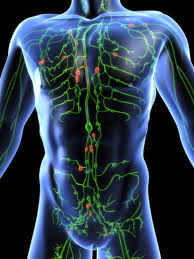
Your lymphatic system is your body’s built-in sanitation centre, the plumbing that carries away and filters out poisonous waste products from every cell, tissue and organ. It absorbs fats and fat-soluble vitamins from the digestive tract and delivers them to the cells of the body. It is also an essential part of the immune system that maintains fluid levels, fights infection and produces disease-fighting white blood cells. 

Twice as extensive as the arterial blood supply system which brings oxygen and nutrients to the cells, the lymph is the takeaway garbage collector and is the largest circulatory system in the body. But, the lymphatic system needs your help to move the fluid through the body because it doesn’t have an automatic pump like the heart, which moves the blood in the circulatory system.

If you want to know more about how the Lymphatic system works click here. Below we will uncover 20 ways to cleanse the lymphatic system naturally to

  • 1.Massage: Any type of massage will help reduce swelling, increase tissue regeneration and reduce stress. But a lymphatic massage is specifically designed to focus on congested areas of fluid in the body. You can schedule a lymphatic massage with a professional, or do your own self-massage at home.

Tip: If doing your own massage, remember that is more of a pulling the skin motion versus pushing into the skin. Use citrus scents of essential oils, like orangegrapefruit, and lemon to stimulate lymph glands. Peppermintginger, and rosemary are also good options for circulation and will help lymph nodes drain.

To use these oils, dilute with a carrier oil and rub on lymph glands under the neck and arms.

If you don’t want to buy all these separately, then I recommend this Lymph Support Blend to get all of the necessities into one bottle!  Get free International shipping here

  • 2.Dry brushing: This promotes the drainage of toxic waste. Simply dry brush your skin with an inexpensive natural bristle brush. You don’t have to use a lot of pressure, just start the habit of dry brushing before your shower or bath to refresh the skin and help your lymphatic system drain more easily.

Tip: Try dry brushing your skin for just a few minutes before your shower or bath every day. This brush is a great option to get started. It shouldn’t hurt at all, just light pressure and consistent practice can make a huge difference.

Experts suggest to start at the extremities and always brush towards your heart. You can start with a few minutes and work your way up to longer sessions as your body gets adjusted. But trust me, it can feel good, so this will feel like less of a chore than you might be imagining.

  • 3.Alternating Hot/Cold showers: This is a simple alternative to expensive hydrotherapy. Simply alternating your shower between hot and cold uses the water temperature and pressure to move stagnant fluid throughout your body. This increases circulation, Immunity, and can even boost your metabolism.

Tip: After you have dry brushed your skin, step into a hot shower and let the steam penetrate your skin for about three minutes. Then switch the water to cold for three minutes. Alternate between hot and cold temperatures a few times, ending with a cold shower before stepping out. This is a great tool to use if you need help becoming more of a morning person too!

  • 4.Supplement to help your body move the toxins out: The lymph is cleansing your body of different toxins, and you will want to aid that transition out of your system as swiftly as possible. I suggest using well-rounded Immune boosting and cleansing supplements such as this one from ClearPureHealth as it has all of the goodies to help get the bad guys out like 13 detoxifiers including Chlorella and Spirulina.

Tip: The point is to make sure that all of the good work you are doing doesn’t go right back into your system because you are not able to detoxify the byproducts that your lymph system is cleaning out. If so, use this in conjunction with a probiotic. HUM has an amazing probiotic that helps with digestion and the appearance of my skin.

  • 5.Be Mindful: Meditation is more than just a buzzword, it can actually make a huge difference in your overall health. The engine of the lymphatic system is your everyday breathing. Constant shallow breathing leads to lymphatic congestion.  Proper breathing is the most important facilitator of lymphatic function Taking a few minutes each day for deep belly breathing can make a huge difference in lymphatic efficiency.

Tip: If you are new to mindfulness or meditation, this is a great book for beginners. You can also download multiple meditation apps; I prefer one called “Headspace.” Taking just a few minutes each day will help build the habit and also lower your stress hormones.

I’ve also found a really great resource called 7 Minute Mindfulness that can really help you destress in a short period of time. As with anything, mindfulness takes practise, but the process of learning should help you feel calmer already!

  • 6.Rebounding or sitting at your desk on an exercise ball: Gently bouncing up and down turbocharges lymph function. You can do this with a small trampoline, or sitting on an exercise ball instead of a desk chair. This is a low impact way to promote movement inside your body within just a few minutes.

Tip: A trampoline is a great way to get the body moving and encourage large muscle activity. This mini trampoline is a great option to keep near your desk and take a break every hour or so for just a few minutes.

If you spend a lot of time at the computer, and you aren’t allowed to look crazy at work jumping around, consider swapping your typical desk chair for a balance ball instead. This can increase circulation throughout the day and encourage gentle exercise.

  • 7.Exercise: Any type of exercise will help the lymphatic system from becoming sluggish. Split training, in particular, is very helpful. Instead of focusing on just one muscle group, split your workout up into smaller segments that include both upper body and lower body during the same trip to the gym.

Tip: Incorporate some hand weights and do a workout at home if you are not a gym fan. Focus on high reps with the low weight with one body part and work your way through your body. Also, if you love walking then make sure you are swinging your arms. There are a ton of vessels and lymph nodes at the armpits and thighs that you can stimulate just by walking!

Yoga Burn Challenge
Yoga
  • 8.Yoga: The practice of yoga is a great way to increase circulation. The combination of stretching, yoga poses, and deep belly breathing helps to direct the lymph through the deep channels of your body. Holding stretches combined with conscious deep breathing can help direct lymph through the deep channels of the chest. 

Tip: Go ahead and get that yoga mat and get started! A few of the best yoga poses for lymph health include downward-facing dog, cat and cow, shoulder stand, plough pose, and bridge pose.

yoga Burn 12 week challenge
Try the YogaBurn 12-week Challenge

If you are a newbie or prefer to have a guided yoga class, consider checking out Yoga Burn. Their 12-week program is designed to help with stress, weight management, and other yoga benefits! Or my other favourite is Yoga Download. Their platform lets you pick your own programs and pace!

  • 9. Apple Cider Vinegar: ACV or apple cider vinegar can be used for a multitude of health benefits. The acid in ACV can also bind to toxins which can assist in removing toxins from the body. Apple cider vinegar’s potassium content helps to break up mucus in the body and clearing the lymph nodes. This also aids in the removal of toxins. Add apple cider into your diet and check out these other ways to detox

Tip: Apple cider vinegar is one of the most underrated superfoods out there. It has hundreds of health benefits and health applications, check out this amazing ebook packed with remedies and recipes to get the best out of your apple cider vinegar

20 ways to cleanse the lymphatic system
Infrared Sauna Blanket
  • 10.Far Infrared Sauna: Saunas have been used for decades because of their clear health benefits. The infrared waves penetrate deep into the body, activating circulation in just a few short sessions. The heat also helps with deep breathing and increased heart rate, which boosts drainage even more. Alternate between a 15-minute sauna session and a cold shower for optimum results. Practice conscious deep breathing during your sauna to supercharge lymphatic drainage. Take a break every 15 minutes to shower in cold water for 30 seconds to promote even more circulation 

Tip: The health benefits of the infrared sauna are remarkable, and you can have one in your own home. No need to head to the gym anymore, enjoy the perfect balance of health benefits and convenience.

  • 11.Inversion Table: Gravity forces lymph fluid to settle in the lower part of the body. An inversion table helps to move fluid throughout the body and towards the upper body to improve circulation and reduce muscle tension. A study published in the Archives of Physical Medicine and Rehabilitation found that inversion reduced muscle tension which can improve circulation and lymph movement.

Tip: If you’re looking for an at-home option for an inversion table, this one is definitely an option to consider. But don’t fret, if that looks a little scarier than what you would be comfortable doing for the sake of health, you can always use your exercise ball I mentioned. Just sit on the ball and lean back, then roll until your head is lower than the rest of your body.

  • 12.Essentials Oils for Lymph Cleanse: As we mentioned above, there are several essential oils that are beneficial to the lymphatic system. Cypress acts to tone the blood and lymphatic vessels, grapefruit speeds up circulation, and fennel aids in digestion and detoxification through the skin, kidneys, and digestive tract.

Tip: Essential oils are not water-soluble, therefore it is necessary to use a carrier oil. Mix cypress oil with a carrier oil of your choice and rub it on the lymph glands. It can also be mixed with other oils, like fennel oil, to create your own unique blend.

  • 13.Hydration: Dehydration is perhaps the number one cause of congestion. If you are dehydrated, your lymph becomes thicker, making it harder to circulate adequately. Pure water is the best way to rehydrate the body – a little lemon can help aid the process a bit faster. Don’t overcompensate – we are not promoting over-drinking. Use urine colour to help determine hydration level – if your urine is clear, you are drinking too much water. 

Tip: Pure water is the best when you’re really serious about lymph cleanse. Check out getting a solid water purifier, because there are so many reasons to invest in a quality water filter. If you live in the US like me, you may think we have the purest water, but sadly our water is still not as healthy as we are told. Try this for Health & Hydration

#Protip – Moving over to glass bottle containers versus plastic is also a good move for your overall health. And check out my favourite brand, Berkey Filters below!

  • 14.Lymph Cleanse Diet: While trying to enhance your lymphatic system, you don’t want to give it extra work to deal with. Stick to anti-inflammatory foods that give your system a break. The best rule of thumb for this is to focus on red and raw foods like leafy greens, healthy fats, wild-caught salmon, and other naturally red foods like pomegranate, cherries, cranberries, and beets. Try Super Green Blend

Tip: Inflammatory foods are a huge culprit of gut problems. Do your research to discover and eliminate inflammatory foods as a key to any lymph cleanse. This cookbook is a great starting point for noninflammatory keto meal. Plus, you will get that summer body you have been telling yourself about for the last few months.

  • 15.Enzymes: There are thousands of enzymes in the body that help it function properly. The Proteolytic Enzyme family includes bromelain, papain, and peptidase. These all help the system break down complex fats and proteins in your diet. Using supplements help your body’s ability to do this more easily.

Tip: Using an enzyme supplement helps your body to digest easier. This particular formula from Zenwise supports healthy digestion, immune function, bowel activity, and energy levels.

  • 16.Herbs: Some of the best herbs for lymph cleanse are likely varieties you’ve never heard of. It may be difficult to find Turkey Rhubarb, Manjistha, or Ashwagandha in your grocery store. However, you can likely find Vitamin D and Turmeric, which are also big lymphatic system movers.

Tip: Look for herbal a true supplement that gives you multiple health benefits? Try Ashwagandha helps with anti-anxiety and anti-stress.  Check out more here

  • 17.Teas: Herbal teas are a safe and effective way to support your lymphatic system on a regular basis. Some of the best teas for lymph cleanse are red root, cleavers, echinacea, and wild indigo.

Tip: Teas are the most effective the more you drink. To get the most out of your cup of tea, look for multi-ingredient teas that hit all of the herbs in one drink. I like the lemon taste of this one and I even add a tsp of sea salt to help get more electrolytes in my system. Tea + hydration = double whammy.

  • 18.Liver Cleanse: Your liver produces most of your lymph fluid, says Barron, and when your liver is congested, your system is also congested. If you’re concerned about this – a liver cleanse might be a good place to start.

Tip: The best way to take care of your diet is with clean eating and a few supplements to get the ball rolling.

20 ways to cleanse the lymphatic system naturally
Inside the Lymphatic Node
  • 19.Clothing choices: Surprisingly, even what you’re wearing right now can be affecting your lymph system. Consider wearing clothing that can facilitate your lymph cleanse. This is usually tight or compression clothing. When the compression clothing squeezes your tissue, it can help to facilitate lymph drainage.

Tip: It’s important to use compression clothing father from the heart and slightly less tight clothing closer to the heart. These compression socks are a good starting point to control discomfort and aid in fluid movement throughout your body. Also, look for bras without underwire, and toss the tight underwear. Trust me, you will feel fantastic and free!

  • 20.Detox your environment: The environment you live in has a huge impact on your body’s health. Think carefully about personal care products, food, water, and exposure to chemicals every day. Take measures to control your environment as much as reasonably possible to protect your own health.

Tip: One of the best ways to do this is to learn how to make your own cleaners. Most times, a simple concoction of lemon oil or vinegar and water go a long way! Or if you are lazy like me – just buy this soap and dilute it with water!


Well, there you go. You now an understanding of how to naturally cleanse your Lymphatic system. Id suggests selecting two it three to start with, implement them for a week or so then try implementing a few more and you should start to see and feel the results.

20 ways to cleanse the lymphatic system naturally Read More »

6 Incredible Health Benefits Of Mindfulness

6 Incredible Health Benefits Of Mindfulness

Seven Minute Mindfulness course

What are 6 Incredible Health Benefits Of Mindfulness?

“Mindfulness” is a bit of a buzz word right now, but that doesn’t mean that you should discredit it. Being mindful is one of the best things you can do for your body and mind!

But you might not be sure what it is. Is mindfulness just being more aware? Or does it mean clearing your mind?

Being mindful, in one sense, is like simplifying things. Normally we try to multitask all day, worrying about 20 things while doing 10. That doesn’t work too well.

Being mindful means focusing on the present moment. Being fully here. It allows you to attend to what’s going on right around you and inside you. So, it simplifies things because you can just enjoy the present moment.

You can mediate to be more mindful, and you can practice it throughout your day. Whatever you’re doing, give it all of your attention. Be proactive about putting down your other worries and being present in what you’re doing and who you’re with.

To experience the ultimate feelings of inner calm and presence, I highly recommend that you follow this link…

Click Here To Discover 7 Minute Mindfulness

You’ll gain inner peace, happiness and feel ‘uncluttered’ in your life.

Mindfulness a gift that we don’t give to ourselves much. In fact, our society teaches that we should be getting as much done as possible all the time, which leads to burnout, stress, health problems, and lower productivity.

Mindfulness, on the other hand, offers the opposite, so let’s take a look at all the benefits of mindfulness.

1. Mindfulness reduces stress

Let’s start with the biggie. In today’s world, we really battle stress from all sides.

If we carry around all the things we have to worry about, our mind never gets a break. That’s why so many people are completely burned out, feeling down, and stressed to the point of panic attacks or needing medication.

This kind of worrying steals away any chance of joy or relaxation in our day. You probably know how it goes: you’re sitting at your desk at work, stressed about a deadline, and also about a disagreement with your partner, and some tension you’re feeling with a coworker, and the company party you’re supposed to attend tonight…

Constantly carrying all of these things and feeling continued stress leads to:

  • Restless sleep
  • A racing mind
  • Low energy
  • Feeling irritable
  • Feeling defensive
  • Getting angry easier
  • Panic attacks
  • Constant panic
  • Headaches, body aches, migraines
  • Jaw pain from clenching teeth
  • Tight shoulders and back pain
  • Depression

As you can see, trying to keep everything on your mind leads to all kinds of problems, resulting in lower productivity and even worse things.

We might even feel guilty if we forget to worry about something. Do you ever do that? You’ll finally get absorbed in something and it feels really nice, but then you remember all the things that aren’t resolved, and you feel guilty for letting yourself have a few minutes.

But you need those minutes!

Being mindful and present will allow you to get absorbed in what you’re doing, give it your full attention so you can do better, and you’ll feel more clear and mentally energized.

Your body and brain wasn’t made to handle constant stress. It’s so much healthier to be present and put aside the other pressing thoughts.

Challenge yourself to be mindful in one activity a day: a walk, mediation, making a craft, writing, drawing, singing, or something else you enjoy.

See how it feels to let yourself be fully present with that one thing and not having thoughts about anything else. And then see how you feel the rest of the day.

Click Here To Discover 7 Minute Mindfulness

2. Mindfulness creates better health

Being mindful and present lowers our stress levels and also centres us, bringing many health benefits.

You might notice that you’re calmer after practising mindfulness, your head feels more clear and focused, you’re more productive, and more alert.

Being mindful greatly benefits your mind, and that in turn benefits your body and overall health.

People who practice being mindful have higher brain function, an increased immune function, lower blood pressure, lower anxiety levels, and are calmer.

We’ve heard this for years, but experts were talking about meditation and yoga. Both of those are ways to be mindful!

3. Mindfulness decreases depression symptoms

When you decrease stress and improve your health, that can help with depression.

Mindfulness does that and more. It’s been considered an effective part of overall depression treatment for a long time.

Being mindful often helps people see and acknowledge their feelings, and that leads to better coping. Being mindful and let you say, “I see that I’m feeling that way, and that’s okay.”

Also, Being mindful engages the observant self, so you can notice how you’re feeling, and what you’re thinking, but not get completely sucked into those feelings. You can step back and analyze the situation better.

4. Mindfulness increases Neuroplasticity

Neuroplasticity is one of those fun words (in my opinion) that show you what they mean. Neuro, or brain, plus plasticity, or being flexible.

Think about how plastic can be soft and pliable.

Being mindful helps your brain increase its ability to change and adapt, which is pretty important to our survival even though we’re not back in the caveman era.

In a simple sense, neuroplasticity refers to how our brain grows, learns, and changes. When we change our mind or learn new things, we actually make new pathways.

But this has bigger scientific implications. When someone has a stroke and has to relearn how to walk, they’re actually learning how to re-circuit their brain around the damaged area.

Imagine how much stronger your brain will be if you practice mindfulness and therefore improve neuroplasticity. That’s a huge advantage for dealing with all of life’s curves and for any brain damage you might suffer.

5. Mindfulness helps you deal with illness

Studies have found that mindfulness helps people with cancer and people with a chronic illness-even terminal illness.

I can see why being in the moment more would help someone enjoy life day by day. Research has found that mindfulness helps cancer patients reduce stress while relieving fatigue.

For many, mindfulness increases our spirituality and sense of purpose, and it helps people handle their emotions regarding their illness.

Mindfulness can greatly improve life for people with chronic pain, such as low back pain. It helps patients focus on something other than the pain.

6. Mindfulness helps recovery

We’ve seen all the ways mindfulness benefits our mental and emotional health. It also helps us physically when we need to recover from illness.

This is probably due to all the other benefits of being mindful.

We have better focus, we’re less stressed, we feel more at peace, and so we’re happier.

We’ve talked about some big areas where mindfulness helps. To zoom in a bit, here’s a list of more specific ways that being mindful improves our lives:

  • Better mental health
  • Less stress at work
  • Better emotional regulation
  • Fewer problems with alcohol and drugs
  • Better relationships
  • Less depression and anxiety
  • Better performance at school and work
  • Less burnout
  • Better self-awareness
  • More resilience

We’re just healthier when we’re more mindful because people aren’t really made to multitask 5 things all day long and always worry.

We can benefit from slowing down and enjoying the present moment. Why let other things detract from what you’re doing? You can give those other things your attention in due time.

For the ULTIMATE experience of mindfulness, I highly recommend that you check out 7 Minute Mindfulness

This method will make your mind as calm as water…

I’m talking about a method that will allow you to sink into relaxation, and feel abundantly positive and happy within minutes…

It will fill your life with joy and satisfaction…

And teach you how too easily defeat any life problems that you may be facing.

And it only takes 7 minutes!

Follow this link: 7 Minute Mindfulness 

For more articles like this check out the www.ClearPureHealth.com/Blog

6 Incredible Health Benefits Of Mindfulness Read More »

How fit are you?

How fit are you? See how you measure up

Active Nutrition for an Active Lifestyle
How fit are you?

By Mayo Clinic Staff

How fit are you?

Ready to start a fitness program? Measure your fitness level with a few simple tests. Then use the results to set fitness goals and track your progress.

You probably have some idea of how fit you are. But knowing the specifics can help you set realistic fitness goals, monitor your progress and maintain your motivation. Once you know your starting point, you can plan where you want to go. Get started with the simple assessment below.

Gather your tools

Generally, fitness is assessed in four key areas: aerobic fitness; muscular strength and endurance; flexibility; and body composition. To do your assessment, you’ll need:

  • A stopwatch or a watch that can measure seconds
  • A cloth measuring tape
  • A yardstick
  • Heavy-duty tape
  • A scale
  • Someone to help you record your scores and count repetitions

You’ll also need a pencil or pen and paper to record your scores as you complete each part of the assessment. You can record your scores in a notebook or journal, or save them in a spreadsheet or another electronic format.

Aerobic fitness: Heart rate at rest

Your heart rate at rest is a measure of heart health and fitness. For most adults, a healthy heart rate is 60 to 100 beats a minute.

To check your pulse over your carotid artery, place your index and middle fingers on your neck to the side of your windpipe.

To check your pulse at your wrist, place two fingers between the bone and the tendon over your radial artery, located on the palm side of your wrist below the thumb.

When you feel your pulse, look at your watch and count the number of beats in 15 seconds. Multiply this number by 4 to get your heart rate per minute. Let’s say you count 20 beats in 15 seconds. Multiply 20 by 4 for a total of 80 beats a minute.

Aerobic fitness: Target heart rate zone

The target heart rate zone is an increase in your heart rate — 50% to 85% of the maximum heart rate for your age — great enough to give your heart and lungs a good workout. Aim for 50% to 70% when you do moderately intense activities and 70% to 85% when you do vigorous activities.

You can use the target heart rate zone as a guide for making sure your exercise is intense enough. If you’re not reaching your target zone, you may need to increase the intensity. If you’re achieving a target rate in the lower end of the target rate zone, you can set goals for gradually increasing your target.

If you already exercise regularly, you can stop to check your heart rate sometimes during an aerobic workout. If you don’t exercise regularly, you can do a simple test by checking your heart rate after a brisk 10-minute walk.

Target heart rate zone
Age Target heart rate zone: Beats a minute Maximum heart rate: Beats a minute
25 98-166 195
35 93-157 185
45 88-149 175
55 83-140 165
65 78-132 155

Aerobic fitness: Running or jogging test

Another way to assess your aerobic fitness is to time yourself on a 1.5-mile (2.4-kilometre) run or jog. The following times are generally considered indicators of a good fitness level based on age and sex. A lower time generally indicates better aerobic fitness, and a higher time suggests a need for improvement.

Good fitness results based on the timing of 1.5-mile run
Age Women: Time in minutes Men: Time in minutes
25 13 11
35 13.5 11.5
45 14 12
55 16 13
65 17.5 14

Muscular strength and endurance: Pushup test

Pushups can help you measure muscular strength and endurance. If you’re just starting a fitness program, do modified pushups on your knees. If you’re generally fit and able to do them, do classic pushups. Follow these steps for both types:

  • Lie facedown on the floor with your elbows bent and your palms next to your shoulders.
  • Keeping your back straight, push up with your arms until your arms are extended.
  • Lower your body until your chin touches the floor.
  • Do as many pushups as you can until you need to stop for rest.

The following counts are generally considered indicators of a good fitness level based on age and sex. If your pushup count is below the target number, the target can serve as a goal to work toward. Counts above the targets indicate better fitness.

Good fitness results for pushup counts
Age Women: Number of pushups Men: Number of pushups
25 20 28
35 19 21
45 14 16
55 10 12
65 10 10

Muscular strength and endurance: Situp test

The situp test measures the strength and endurance of your abdominal muscles. Here’s how to do the test:

  • Lie on the floor with knees bent at a 90-degree angle and feet flat on the floor. A partner holds your feet firmly to the floor. Another option is to place your feet on the wall so your knees and hips are bent at a 90-degree angle. Cross your arms across your chest. This is the down position.
  • To move into the up position, raise your head and shoulders off the floor. Don’t lift your buttocks off the floor.
  • Return to the down position.
  • Each time you move to the up position is counted as one situp.
  • Do as many situps as you can in one minute.

The following counts can generally be considered markers of a good fitness level based on age and sex. If your situp count is below the target number, the target can serve as a general goal to work toward. Counts above the targets can generally mean better fitness. However, pushup count may be a more accurate indicator of your fitness.

Good fitness results for situp test
Age Women: Number of situps Men: Number of situps
25 39 44
35 30 40
45 25 35
55 21 30
65 12 24

Flexibility: Sit-and-reach test

The sit-and-reach test is a simple way to measure the flexibility of the back of your legs, your hips and your lower back. Here’s how:

  • Place a yardstick on the floor. Secure it by placing a piece of tape across the yardstick at the 15-inch (38-centimetre) mark.
  • Place the soles of your feet even with the 15-inch (38-centimetre) mark on the yardstick.
  • Slowly reach forward as far as you can, exhaling as you reach and holding the position for at least 1 second.
  • Note the distance you reached.
  • Repeat the test two more times.
  • Record the best of the three reaches.

The following measurements can generally be considered indicators of good flexibility based on age and sex. If your result is below the target number, the target can indicate a goal to work toward. Measurements above the targets can mean better flexibility.

Good results for the sit-and-reach test
Age Women: Farthest reach Men: Farthest reach
25 21.5 in. (55 cm) 19.5 in. (50 cm)
35 20.5 in. (52 cm) 18.5 in. (47 cm)
45 20 in. (51 cm) 17.5 in. (44 cm)
55 19 in. (48 cm) 16.5 in. (42 cm)
65 17.5 in. (44 cm) 15.5 in. (39 cm)

Body composition: Waist circumference

If your waist circumference is greater than your hips — you carry more weight above the hips — you have an increased risk of heart disease and type 2 diabetes. The risk is even greater for women with waist circumferences of 35 inches (89 centimetres) or more and for men with waist circumferences of 40 inches (102 centimetres) or more.

With a cloth measuring tape, measure your waist circumference just above the hipbones.

Body composition: Body mass index

Your body mass index (BMI) is a calculation that indicates whether you have a healthy amount of body fat. You can determine your BMI with a BMI table or an online calculator.

If you’d rather do the math yourself, divide your weight in pounds by your height in inches squared and multiply by 703. Or divide your weight in kilograms by your height in meters squared. (To determine your height in meters, divide your height in centimetres by 100.)

The following BMI results demonstrate whether you are at a healthy weight.

Interpretation of BMI results
BMI Weight status
Below 18.5 Underweight
18.5-24.9 Normal weight
25.0-29.9 Overweight
30 and above Obesity

Stay active

The results of your fitness assessment can help you set goals for staying active and improving fitness outcomes. The Department of Health and Human Services recommends these exercise guidelines:

  • Get at least 150 minutes of moderate aerobic activity or 75 minutes of vigorous aerobic activity a week, or a combination of moderate and vigorous activity.
  • Do strength training exercises for all major muscle groups at least two times a week.

Moderate aerobic activity includes:

  • Walking fast
  • Water aerobics
  • Bicycling on mostly level ground
  • Pushing a lawnmower

Vigorous aerobic activity includes:

  • Running
  • Swimming laps
  • Fast bicycling or biking hills
  • Playing basketball or soccer
  • Playing singles tennis

Muscle-strengthening exercises include:

  • Lifting weights or using resistance bands
  • Callisthenics that use bodyweight for resistance
  • Heavy gardening or yardwork

Monitor your progress

Keep track of your progress in improving your fitness. Take the same measurements about six weeks after you begin an exercise program and periodically afterwards.

Each time you repeat your assessment, celebrate your progress and adjust your fitness goals accordingly. Share your results with your doctor or personal trainer for additional guidance.

Download and Use the free body measurement chart here.

How fit are you? Read More »

Essential Steps for Men’s Balanced Nutrition

Balanced Nutrition
Healthy balanced nutrition

Essential Steps for Men’s Balanced Nutrition

The key to balanced nutrition in men is quite simple. It’s what we all should follow. Eat at least three square meals a day, don’t skip breakfast, and eat food from every food group at every meal. Here are some essential steps towards making sure men’s nutrition is balanced, providing the right nutrients for your needs.

Carbohydrates

Yes, carbohydrates are necessary for men’s health. This is the primary source of energy for the body. You need to have simple carbohydrates (sugar) and complex carbohydrates (starches). You should get 60% of your calories from carbohydrates. Generally speaking, the average man should consume 2,200 calories a day, meaning that 1320 of your calories should come from carbohydrates. Aim for more of the complex carbohydrates from things like fruits and vegetables, beans, whole grains, and dairy products. An excellent way to start your day is with a bowl of oatmeal with low-fat milk and some fruit preserves and peanut butter.

Fats

This is essential to have for survival. Fat is needed to help absorb essential vitamins like Vitamin A, D, E, and K. You should have 15-20% of your daily calories come from fat. Aim to get unsaturated fat in your diet as you’ll need the energy. Try to avoid fats from butter, margarine, oil, and Crisco. Eat lean meats and fish like tilapia and tuna steaks. These contain healthy fatty acids of omega-3 and omega-6. 

Be wary of low-fat options because the fat content is substituted with refined sugar. Portion control is essential, too. A good lunch option is tuna, chicken or turkey breast on whole-grain bread with Gouda cheese, greens, and honey mustard.

Protein

Protein builds and repairs tissue. It’s, of course, great for muscles, but also skin, hair, and nails. The average man needs about 86 grams of protein a day. So if you eat a 16-ounce steak, then you should go easy on the protein for the rest of the week as the steak has 207 grams of protein. Shoot for 15-20% of your daily calories to be from protein. If you have a smoothie with milk, banana, strawberry, mango, yoghurt, and peanut butter post-workout, that’s a good source of protein to help repair your muscles. 

Meat and potatoes are great, but your protein is best coming from lean meats and fish on a regular basis. The occasional 16-ounce steak is okay, but don’t aim to get an entire month’s worth of protein in one day. Too much of a good thing is never good. So a great balanced dinner option might be a salad sprinkled with almonds or pecans, shrimp, cheese, and black beans. This will be a good source of protein while also being sure to hit those food groups in a balanced way.

Skip the fad diets; they aren’t going to provide you with the balance and healthy nutrition you need. Eating in moderation while following the food pyramid will be the key to balanced health and nutrition. You will have to adjust things based on how active you are and whether you are trying to lose or gain weight, but including carbs, fats, and protein in your diet are going to be essential no matter what your weight goals are.

Nutrients Men Need for Optimal Health


Eating right is vital for optimal health. And since men have different health concerns than women, there are certain foods they’ll want to consider making a part of their diet to maintain their own personal optimal health. Foods that will help prevent erectile dysfunction, slow muscle recovery after exercise, depression, cognitive impairment, and infertility -just to name a few. So here are five foods that contain nutrients to help maintain optimal male health.

Five Foods for Optimal Health in Men


1. Oysters – There is more zinc in oysters than any other food. Zinc is essential to male health because it promotes a healthy prostate. Low levels of zinc can lead to fertility issues and prostate disease. The human body doesn’t store zinc naturally, so it’s essential to get enough of it per day. The recommended daily allowance of zinc in men is 11 mg. A 3-ounce serving of oysters contains 74 mg of zinc.

2. Salmon – A contributing factor of erectile dysfunction is believed to be lack of vitamin D. A 3-ounce serving of salmon can contain 112 per cent of the daily recommended allowance of vitamin D.

3. Walnuts – Walnuts are an excellent source of omega-3 fatty acids, antioxidants, and phytochemicals. Beneficial for brain health and will help ward off depression. Just 1 cup of walnuts provides 2.7 grams of omega-3 fatty acids, which is just over the daily recommended intake.

4. Chocolate Milk – Drink this as a post-workout recovery. It’s a cheaper version than sports drinks. It provides the fluids and sodium needed to aid in post-workout recovery. Drink a glass of low-fat chocolate milk immediately after working out, but then another glass two hours later.

5. Fruits and Vegetables – Fruits and vegetables are excellent for the heart, but they also help fight off fatigue. Men require more fruits and vegetables than women do, probably much to their chagrin. The meat and potato man better get used to adding more salads to his diet. The U.S. Department of Agriculture recommends that men eat two cups of fruit and two-and-a-half to three cups of vegetables a day. A good rule of thumb is half of your plate should be filled with fruits and vegetables while the other half is filled with healthy proteins like beans and nuts, moderate amounts of poultry and fish, and the occasional red meat, as well as whole grains. 

Don’t overthink it


Don’t overthink what you eat. You don’t need to count calories and measure portion sizes; have balanced nutrition. Make sure your plate is full of colourful fresh ingredients; half your plate should be bright and leafy green veg. The second half should comprise of protein and complex carbs. Avoid processed foods as much as you can. A great way to get all your nutrition needs from vegetables is from green powder. Check it out here.

You don’t have to eliminate things from your diet. Just make small changes and add a salad a day to a meal as a starting point to getting on the track to eating healthier and optimising your health. The ultimate goal is to feel better, have more energy, and to reduce your chances of chronic illnesses. But you have to be realistic with yourself about how to achieve this goal, and often eliminating all of the things you love is not the way you’ll achieve this. More detail nutrition planning


Essential Steps for Men’s Balanced Nutrition Read More »

Active Nutrition for an Active Lifestyle

Active Nutrition for an Active Lifestyle


Whats active nutrition for an active lifestyle? Well, we all know It’s important to eat right at all times. But when you live an active lifestyle, you have got to be sure you’re fuelling your body right to keep up and not get run down and even get sick. If you don’t have the proper nutrients and end up running around like crazy, then you are more likely to have faster crashes and burns and even to end up catching colds and other illnesses much more straightforward. So here’s how to eat to fuel your body so you can keep up with everything you want to do.

Healthy Nutrition for an Active Lifestyle

* Antioxidants – Fruits and vegetables are a great source of antioxidants. What this does for your body is protect it from damage due to free radicals which will cause you to age faster and break down the cells in the body. Lots of colourful fruits and vegetables will help to neutralise the effects of free radicals on your body. So please fill up your plate, or at least half of it, with these foods. Clear pure health’s, “Super green Blend” is packed with all the goodness your body needs.

* Vitamins and Minerals – Whole grains, low-fat dairy, lean meats, and fruits and vegetables all provide the vitamins and minerals needed for energy to fuel an active lifestyle. Our bodies require help via our diet to optimise the nutrients and the vitamins and minerals required to function correctly, so we have to choose the right foods with the right amounts of vitamins and minerals.

* Portion Control – Instead of eating three large meals a day eat smaller, healthy, well-balanced meals throughout the day. Eating six to eight smaller meals a day instead of three large meals will keep you energised throughout the day so you can maintain your active lifestyle. It will keep your energy up and metabolism high.

* Healthy Fats – You cannot avoid fat. Most foods contain fat, and your body requires fat. But it would be best if you choose healthy fats, not empty calories. Eating fats with vital fatty acids like omega-3 and omega-6 will provide you with good heart health and will lubricate your joints. A good healthy fat to eat would be nuts like walnuts. Check out ClearPureHealth’s Omega 3 6 9

* Eat before Exercise – Don’t follow the old adage of waiting 30 minutes before you can swim. Eating before exercise will fuel that workout. But be smart about what you eat. You don’t want a big heavy four-course meal; it should be sensible. This way, you aren’t hungry in the middle of your workout.

* Stay Hydrated – Remember to drink water throughout the day. An essential part of nutrition is to remain hydrated. No matter what kind of lifestyle you live, water is the key to a healthier life.

What fuel you put in your body is going to have a significant impact on how you perform throughout the day. So choose the right diet, but then fine-tune how you eat throughout the day based on how you perform. Be open to making changes and space out your eating schedule differently. Doing this will improve your performance, and will help you maintain your active lifestyle and remain in good health while doing it.

Active Nutrition for an Active Lifestyle Read More »

Antioxidant Fruits

Antioxidant Food

Antioxidant Fruits


Antioxidant fruits are not created equal. Some antioxidant fruits may have more antioxidant content compared to other fruits. Others may have nutrients with antioxidant properties; others may only have vitamins. But whatever the case, it is still quite evident that antioxidants are great for our health: the more colours, the better.

The human body derives its energy from the utilization of nutrients and oxygen as fuel. But oxygen, for all its benefits and positive effects, may also carry with it some negative ripple effect. When processing oxygen in the body (a process called “oxidation), oxygen byproducts are produced. These byproducts, called free radicals, are highly reactive substances that may cause damage to cells. The antioxidant substances found in antioxidant fruits may work to neutralize these free radicals and in the process, prevent them from causing damage.

Antioxidant Fruits: The Benefits

Many people are already familiar with antioxidant fruits, such as citrus fruits which are known for their high vitamin C content or apples for their beta-carotene. Consuming lots of antioxidant fruits in your diet will help boost the body’s defence against free radicals and oxidative stress (damage caused by free radicals). Oxidative stress is a process which many a scientist has linked with the development of chronic and degenerative diseases such as heart disease and cancer.

Antioxidants may be plain fruits, cereals, and vegetables. Some antioxidant can also be prepared in dried, powdered forms, like dietary supplements or pills. There is some research though those antioxidants may be taken better if you include them in your diet.

Fruit, vegetables, and cereals in your diet have additional benefits compared to taking antioxidant supplements alone. A good idea is a supplement your diet as well as a balanced diet to maximise the health benefits. Scientists point out that this might be because consuming antioxidant fruits in food may provide a combination of lesser-known but potent antioxidant substances, which may afford more significant effect than that of any single nutrient or individual antioxidant supplement. Although experts still recommend taking an antioxidant supplement, this boosts overall antioxidant intake as we are unlikely to meet our body’s daily requirements when consuming a western diet. I great antioxidant supplement can be found here.

In a recent issue of the Journal of Nutrition, the total antioxidant content of several antioxidant fruits, including fruits, berries, vegetables, cereals, nuts, and legumes, was analyzed.

According to their findings, the overall best sources of antioxidant fruits under the berry category are dog rose, sour cherry, blackberry, strawberry, raspberry, crowberry, blueberry, and black currant. Under the antioxidant fruits, the type is pomegranates, grape, orange, plum, pineapple, lemon, dates, kiwi, Clementine, and grapefruit. For legumes, broad beans topped the list while in the nut category, walnuts and sunflower seeds occupied the first and second spots, respectively.

Other antioxidant foods include kale, chilli pepper, red cabbage, barley, millet, corn, ginger, and red beets.

Antioxidant Foods


Below is a list of some on the many antioxidant food sources and what the main vitamin or mineral content is.

Vitamin C is found in:

  • Guava
  • Peppers (red, yellow and green)
  • Kiwi fruit
  • Strawberries
  • Citrus fruits
  • Papaya
  • Brussels sprouts
  • Broccoli
  • Leafy vegetables
  • Tomatoes
  • Potatoes

Vitamin E is found in:

  • Almonds
  • Sunflower seeds
  • Vegetable oils
  • Leafy vegetables
  • Peanuts (including peanut butter)
  • Sweet potato
  • Avocado

Selenium is found in:

  • Brazil nuts
  • Fish
  • Shellfish
  • Meat and poultry
  • Eggs
  • Grain products
  • Wheat germ and wheat bran in whole grain products
  • Beans
  • Oats

Carotenoids are found in:

  • Kale
  • Tomatoes and tomato products
  • Spinach
  • Sweet potato
  • Carrots
  • Leafy vegetables
  • Pumpkin and other squashes
  • Guava
  • Watermelon
  • Grapefruit

Flavonoids are found in:

  • Berries (especially dark-coloured berries)
  • Cherries
  • Red grapes
  • Onions
  • Apples
  • Cocoa
  • Tea, especially green tea

Polyphenols are found in:

  • Extra virgin olive oil
  • Dark chocolate
  • Blueberries
  • Olives
  • Hazelnuts
  • Plums

As you can see from the list above, there are lots of options if you want to have an antioxidant-rich diet. With that in mind, it shouldn’t surprise you to know that a balanced diet with as many different coloured fresh fruits, vegetables and leaves should insure you’re hitting your daily antioxidant requirements. A good way to load up on all your body’s required nutrients is to add a scoop of Super Green Blend to your shakes or smoothies.

More information on antioxidant foods can be found here, check it out.


Antioxidant Fruits Read More »